
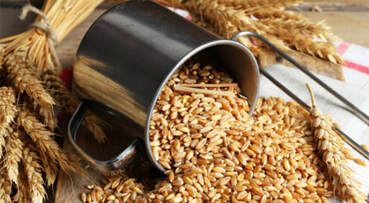
 Durum wheat is one of the most popular varieties of wheat in terms of consumption and cultivation after common wheat.
Though Durum wheat is not different from other varieties of wheat, but the consumption level of durum wheat is higher than others. Can you guess what the reason behind this is?? Let’s jump into this in detail. Firstly, let’s talk about Durum Wheat is and it’s Origination >>>>> What Is Durum Wheat
Durum Wheat Origin Durum wheat was developed through artificial selection from domesticated emmer wheat generally grown in central Europe and the Near East in around 7,000 B.C, and primarily grown in Northern Great Plains. In 20th century, Durum wheat was widely grown in Russia and West Asia. Now, Canada is one the biggest producer of Durum wheat. In India, Durum is cultivated up to 5% of the total wheat production which is further used for making rawa and sooji. Key Benefits Of Durum Wheat Over Others
Products Durum wheat is milled into Semolina, which is further used to manufacture:
Golden Bansi is one of the major manufacturers of Durum Wheat in India. It is a Indore, Madhya Pradesh based Food Manufactured Company delivering its products all over India since 1991. Golden Bansi delivers its Premium Durum Wheat products in the form of:
Thus, durum wheat is a healthy variety of wheat.
0 Comments
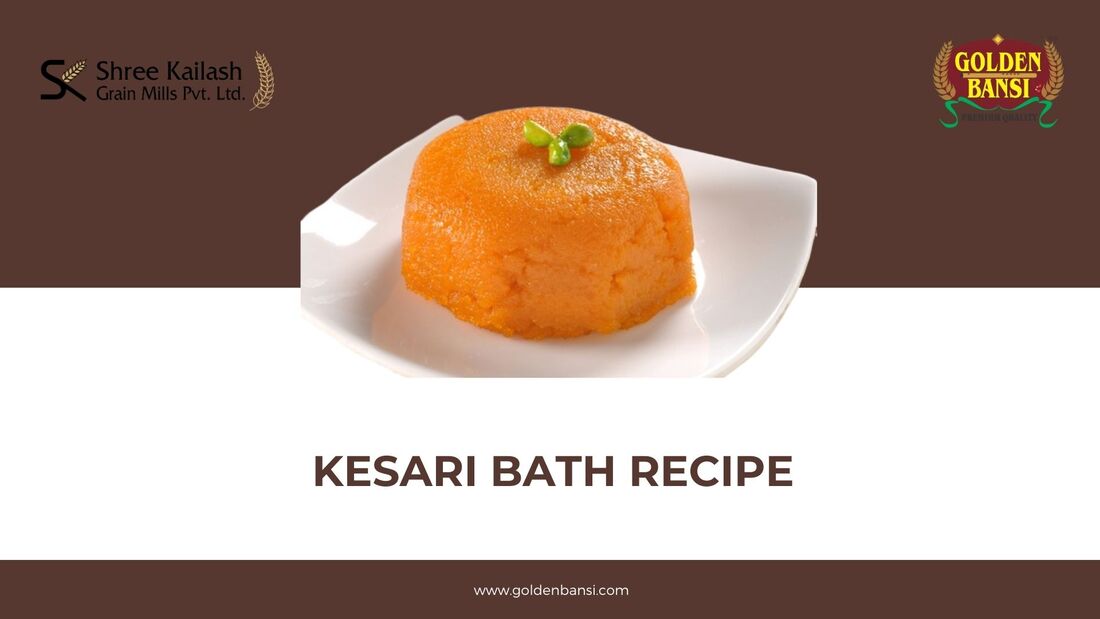 Rava is semolina, and kesari specify to the orange color of any sweet. Kesari likewise refers to the saffron used in this flavorful sweet. The similar kesari is made in North India and is called Sooji ka Halwa. Indeed we have a Sooji ka Halwa in Gujarat too. The halwa itself has an earthy colored engaging tone which makes it more appealing.
Rava or Sooji is a popular for Indian sweet dish which is generally made during celebrations or unique events. Rava Kesari Recipe: Servings – 4-6 Ingredients – 1/2 cup semolina 1/2 cup sugar 4 tbsp ghee 11/4 cups water 2-3 strands saffron 1 tbsp milk nuts and raisins Method – Soak the saffron in luke watk milk and keep aside. After 5-7 minutes, you will see the milk going to a delightful orange color. Warmth 1 tbsp ghee and roast the raisins and nuts. When done, keep aside. Use a similar pan and roast semolina till light brown shade, it ought to lend a pleasant aroma. Keep this aside as well. Heat water in another pan. Now gradually begin adding semolina in the bubbling water, mixing continually, so no lumps are shaped. Add a little orange food tone and the soaked saffron. Add the sugar and rest of the ghee and Cardamon powder and add nuts to it. Reserve some for garnishing. While adding all these ensure you continue to mix the semolina from time to time. Cook till ghee comes out and you see aromatic and sweet Halwa. Move to a bowl and start garnishing. Rava Laddoo: Servings – 4 Ingredients: ¼ cup Ghee 6 Chopped Cashews 2 tbsp Raisins 1 Cup Rava Half Cup Desiccated Coconut 1 Cup Sugar ¼ Cup Water. Pinch of Cardamom powder 3 tbsp Milk Method – Initially in a wide pan, 6 chopped cashew and 2 tbsp raisins with ¼ cup ghee. Cook until raisins puff and cashews turn brilliant earthy colored. Move them to the plate and keep aside. In a similar pan add 1 cup rava and roast on low fire. Cook the rava until it changes tone to light brown and turns fragrant. Further add ¼ cup desiccated coconut and roast for a minute. Turn off the fire and allow rava to cool to room temperature. Then, take another vessel and plan sugar syrup by taking 1 cup sugar and ¼ cup water. Further boil for 5 minutes or till you make one string consistency. Turn off the flame and add cooked rava to sugar syrup. Likewise include simmered cashew, raisins and ¼ tsp cardamom powder. Mix continuously to stay away from any lumps formation. After a minute, rava absorbs the sugar syrup. When its actually warm enough, get ready laddoos with your palm. Finally, serve rava laddoo/suji laddoo once cooled totally or store in airtight container for 2 weeks. SWEET RAVA PANIYARAM: Servings: 4 Ingredients – Grated Coconut – ½ Cup Jaggery – ½ cup Maida – 3 tbsp Cardamom – 1-2, powdered Salt – a pinch Cooking Soda – A pinch Banana – optional – ½ Ghee – for frying Method – Soak rava for minimum half an hour. Now after half an hour, drain water, add all the ingredients in the soaked rava and mix well. Now heat paniyaram pan, fill each shallow with ½ tsp ghee and pour the batter to fill 3/4th in each shallow. Cook covered in low fire, flip them and cook until it turns in golden color. This recipe is made within minutes and requires minimum ingredients. It tastes best when served hot. Golden bansi rava is the perfect partner for your south Indian dishes.  Durum wheat is one of the vital food crops in the world. It is also the staple food of Africa and certain western and Asian counties.
Durum wheat is scientifically known as Triticum durum. It is also commonly known as pasta wheat, macaroni wheat, etc. It is the second most cultivated crop after wheat. In this article, we will comprehend the origin, cultivation, and some of the amazing facts of durum wheat. DURUM WHEAT ORIGIN: Ethiopia is the center of origin for durum wheat. Durum wheat originated on the lands of Ethiopia along with several tetraploid wheat species. It is also thought to have originated in current-day Turkey, Syria, Iran, and Iraq. DURUM WHEAT CULTIVATION: Durum wheat is mostly cultivated in the spring. It should be planted as soon as the ground is worked. The ideal pH of the soil for the best cultivation of durum wheat is 6.5 The seeds should be planted in a row just like any other plant. The ideal depth to plant the seeds is 1 to 1 1/2 inch or 2 1/2cm. The durum wheat doesn't require much additional care after planting. Just make sure they are hydrated enough and weed-free. DURUM WHEAT FACTS:
Broken wheat is a whole grain obtained from cracked wheat. Broken wheat is packed with various vitamins, minerals, and fiber. Fiber-rich foods like broken wheat aids in reducing chronic disease risk, promote weight loss and improve digestion and gut health. It is slightly yellow in color with a touch of nutty flavor and earthy aroma. Broken wheat is also called Daliya. It's effortless to cook and can be added to countless recipes, like salads, stews, and bread. In this article, we will know about the nutritional components, benefits, and uses of Broken wheat.
NUTRITIONAL COMPONENTS: Nutritional components in a cup of cooked broken wheat.
As the broken wheat is mainly grain and not processed, it has higher nutritional values than other wheat. BENEFITS OF BROKEN WHEAT: As we already learned about the nutritious components of broken wheat it is almost clear that it has various benefits. Some of the major health benefits of dailya are:
USES OF BROKEN WHEAT: Broken wheat being one of the highly nutritious and tasty foods, it is used in several diverse culinary activities. For instance, Daliya is used in making:
With all these beneficial nutritional components and uses it is wise to include broken wheat into your diet. Golden Bansi, the premium brand of Shree Kailash Grain Mills - best durum wheat semolina supplier is fortunate to produce the best quality broken wheat to complement your diet. Their produce is completely chemical-free maintaining its natural components. 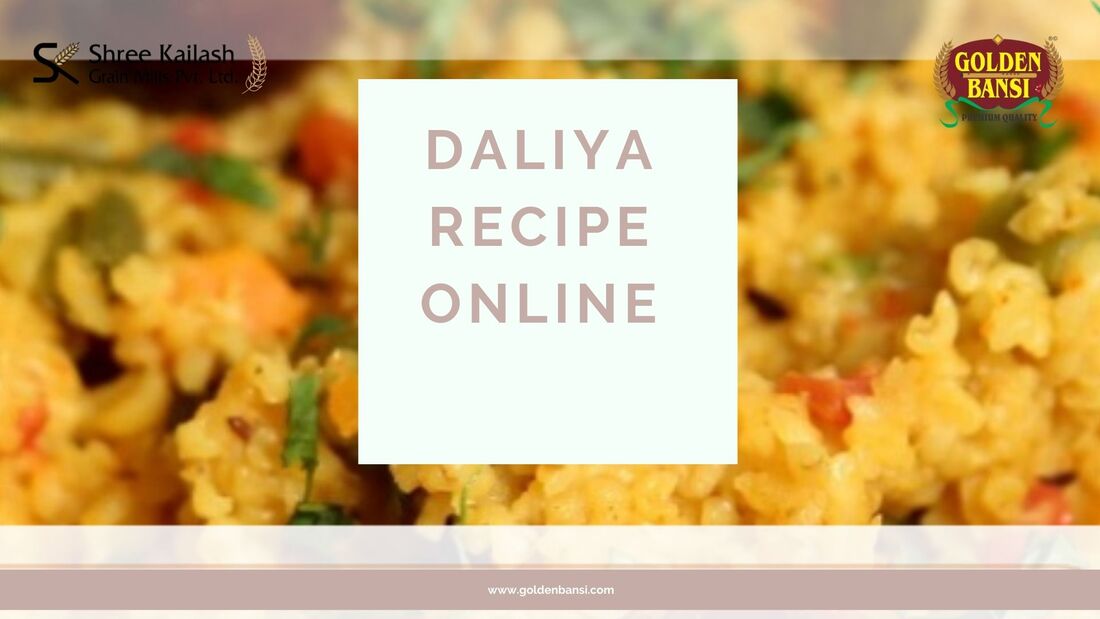 We all crave some appetizers during our evening coffee/tea break. But how many times we have curbed our cravings for our health goals, as most of the appetizers are unhealthy. However, I have the perfect fix for you.
Boken wheat. Yes, broken wheat, is loaded with nutrients. It is a coarse yellow color flour made of hulled wheat. It is also known as daliya. No, no, I'm not talking about the boring daliya that you whip up instantly. In this article, I'll share a few savory recipes using broken wheat daliya, which are a perfect match for your evening coffee/tea. And compliment your health goals. DALIYA KABAB: These patties are made with broken wheat and vegetables. They are so yummy, filling, and nutrient-dense. INGREDIENTS:
BROKEN WHEAT DOSA: It is an amazing crepe recipe when you have a little regular dosa batter left or searching for a new taste. INGREDIENTS:
BROKEN WHEAT BURGER: The broken wheat burger is the fanciest yet simple dish that you can whip up in no time. This recipe doesn't need a huge ingredient list or complicated instructions. You just have to place the Daliya kabab in between roasted sesame buns along with raw or tossed lettuce, tomatoes, and onions. The tastiest and healthiest broken wheat burgers are made within no time. Tantalized by the lip-smacking broken wheat recipes, Golden bansi broken wheat is just the right it for your culinary activities. Shree Kailash Grain Mills is a premium durum wheat semolina manufacturer in India. Their products are highly nutritional and chemical-free. Broken wheat is made by milling whole raw wheat coarsely. It is also known as bulgar wheat or daliya. Firstly hulled wheat is cleaned and husked. Later it is processed into small coarse pieces of wheat called broken wheat.
Daliya is rich in dietary fibers, iron, magnesium, protein, and several essential vitamins and minerals. Due to its high nutritional values, adding daliya to your diet is proved to be beneficial for your health. Broken wheat has several culinary uses, it can be used in making several piquant and desserts. In this article, we will learn about seven authentic recipes made using broken wheat dailya. DALIA UPMA: INGREDIENTS:
DALIYA DHOKLA: INGREDIENTS:
LAPSI: INGREDIENTS:
INSTRUCTIONS:
DALIA CHEELA: INGREDIENTS:
BROKEN WHEAT DOSA: INGREDIENTS: 1 cup
LEFTOVER DALIYA AND RICE TIKKI: INGREDIENTS:
DALIA BARFI: INGREDIENTS:
INSTRUCTIONS:
Golden Bansi daliya and durum wheat semolina are highly nutritious and of the best quality. Their broken wheat formed from the hulled wheat is the perfect partner for your culinary art. It is the perfect match for your health and palate.  Wheat is one of the most common staples around the globe. The reason that wheat is the most commonly grown crop worldwide is, wheat is cultivated even in adverse environmental conditions. Wheat can be grown all around the year.
There are various kinds of wheat species. Durum wheat, whole wheat, and broken wheat are the most common wheat species used in culinary uses. This article will give you an overview of the differences between durum, whole, and broken wheat. WHAT IS DURUM WHEAT? Triticum turgidum is the scientific name of Durum wheat. It is the second most cultivated wheat species. Durum wheat can be easily adapted in heat and humid conditions. The grains of durum wheat can further be milled to form a coarse light yellow flour called semolina. Durum wheat is mainly used in making pasta and other bakery goods. Therefore, it is also called pasta wheat. WHAT IS WHOLE WHEAT? Whole wheat is the wheat grain with all three parts intact. Bran: Bran is the hardest outer layer of whole wheat rich in fiber, antioxidants, and minerals. Endosperm: It is the largest part of the whole wheat grain comprised mostly of carbs and proteins. As it is an unrefined form of wheat it is nutrient-rich and loaded with fiber. WHAT IS BROKEN WHEAT? Broken wheat is made by milling whole wheat grains roughly. Broken wheat is also known as cracked wheat or daliya. It is slightly grainy and chewy. There are different kinds of sizes in broken wheat like Large-sized, Medium-sized, and fine broken wheat. DIFFERENCES BETWEEN DURUM WHEAT, WHOLE WHEAT, AND BROKEN WHEAT: Despite having similar nutritional profiles. Durum, whole, and broken have different genetic makeup, therefore, making them ideal for their respective culinary purposes like: Durum wheat is used in making pasta and bakery goods, Whole wheat is used in making tortillas, bread, and other healthy cuisines, and Broken wheat is used in making several kinds of sweet delicacies and savories. Regardless, durum wheat or broken wheat, or whole wheat, it is wise to add a bowl of durum, whole, or broken wheat in your daily diet to fulfill your daily nutritional content. Golden Bansi, premium product of Shree Kailash Grain Mills is one of the most prominent durum wheat semolina manufacturers produces, Natural chemical-free, premium quality semolina, durum wheat, broken wheat, and a wide range of variety making, it a cakewalk for you to be healthy without compromising with the taste. With the festivals around the corner, we are pretty much in a sweet mood composing ourselves and our homes, shopping, and cooking. Speaking of which festivals and special occasions are incomplete without sharing sweet delicacies. In this article, we will share a few mouth-watering south Indian sweet dishes using the very fond ingredient in our kitchen Kesari Rava. This, being said, we are going to use Bansi rava in all of our recipes today, As it is the finest and nutritious Kesari rava which, complements your culinary art.
RAVA PAYASAM: Rava payasam is one of the famous south Indian dishes like ladoo, Kesari bath, barfi, and many more. Rava payasam is made with rava, milk, sugar or jaggery, roasted nuts, and cardamom. This recipe is easy to make and requires minimal ingredients, as mentioned above. It is also called sooji kheer and, this is a perfect sweet dish to whip up at the moment. RAVA LADOO: Rava ladoo is one of the nostalgic memories of every 90's kid. It is an authentic Diwali recipe made in every household. It is the facile recipe and made with a few ingredients lying around your house. These sweet balls are made with Kesari rava, sugar, milk, and ghee. You can always level it up by throwing in some roasted dry fruits. Try shredding some coconut flakes to enhance the deliciousness of this nostalgic sweet. SWEET RAVA PANIYARAM: It is a deep-fried sweet specially made during festivals in South India. Sweet rava paniyaram is crispy on the outside and super soft on the inside. This recipe is made within minutes and requires minimum ingredients. It tastes best when served hot. RAVA HALBAI: Halabi is one of the famous south Indian dishes. As we all know Halabi is one of the complicated and time-consuming sweets. Rava Halabi is the quick and easy alternative for rice or sweet halbai without compromising the taste. It is made with rava, jaggery, ghee, coconut flakes, and cardamom powder. Golden Bansi Rava is the perfect partner for your south Indian sweet dishes. Shree Kailash Grain Mills produces the best quality durum wheat for pasta manufacturing. The pasta made by Bansi durum wheat is perfect in texture, shape, and rich in nutrients. As the golden Bansi durum wheat for pasta manufacturing is natural and chemical-free, the pasta-making process becomes easy as natural components are not lost. 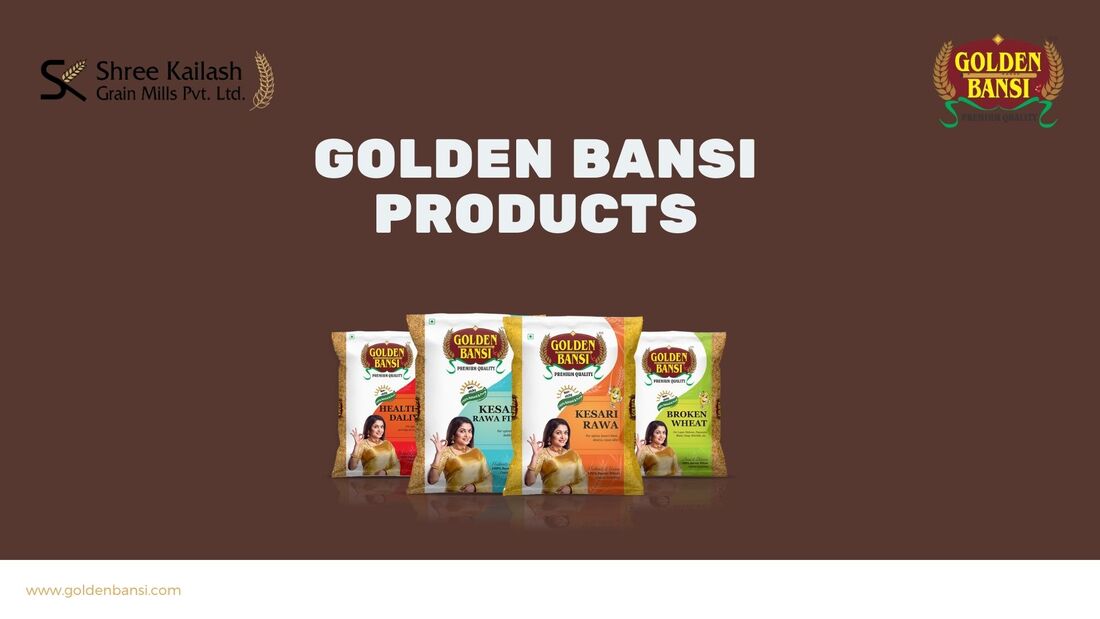 Durum wheat is a tetraploid species of wheat. The grains of durum wheat are grounded and made into coarse yellow flour called semolina. Durum wheat is rich in nutrients and fiber. Including a bowl of durum wheat in your daily diet gives you enormous health benefits. Durum wheat is also known as pasta wheat or, macaroni wheat as durum wheat is used for pasta manufacturing. In this article, we will learn about durum wheat and its pasta-making properties.
As we all know, durum wheat is the most preferred wheat for making pasta. Durum wheat, a contrast to common wheat, is hardest. Semolina which, is formed by milling durum wheat, is ideal for making pasta. The quality of pasta in terms of texture, flavor, and color is, determined, by durum wheat. The durum wheat properties that makes it perfect for making pasta are: PROTEIN: Durum wheat contains about four kinds of protein: Glutenin, Globulins, Gliadins, and Albumins. The Albumins and Globulins are soluble in water and, they also have enzyme activity. Glutenin and gliadins collectively are called gluten. The amount of gluten in the durum wheat is responsible for giving strength and elasticity to the dough, therefore making it perfect for pasta. ENZYMES: The enzymes present in durum wheat like Lipoxygenase and polyphenol oxidase along, with the lipid yellow pigment, strongly affects the appearance of the pasta. These are some of the prominent durum wheat properties that affect the making of pasta. The other properties are like carbohydrates, etc receive less attention in pasta making. Golden Bansi produces the best quality durum wheat for pasta manufacturing. The pasta made by Bansi durum wheat is perfect in texture, shape, and rich in nutrients. As the golden Bansi durum wheat for pasta manufacturing is natural and chemical-free, the pasta-making process becomes easy as natural components are not lost. Upma is a basic South Indian recipe made with semolina, spices, vegetables, and herbs. While most of the Indian breakfast takes a considerable amount of time to cook, Upma tops the list of easy and quick recipes. Upma not only being an instant breakfast, but it is also the healthiest. It is full of nutrients and goodness. If you are starting your culinary journey or you're a bachelor, then this recipe is a boon for you.
Traditionally upma is made with coarse ground wheat, also known as Kesari rava, rava, or semolina. In this article, we will share an appetizing instant healthy upma recipe ideal for your breakfast and light meals by using Bansi Rava. Bansi Rava is a leading product of Golden Bansi - durum wheat semolina supplier. INGREDIENTS:
INSTRUCTIONS:
Shree Kailash Grain Mills being the prominent durum wheat semolina supplier produces the finest quality Kesari rava, rava, semolina under the premium brand “Golden Bansi” to enrich the nutrients and taste of your instant healthy upma. |
AuthorWrite something about yourself. No need to be fancy, just an overview. Archives
August 2020
Categories |
 RSS Feed
